
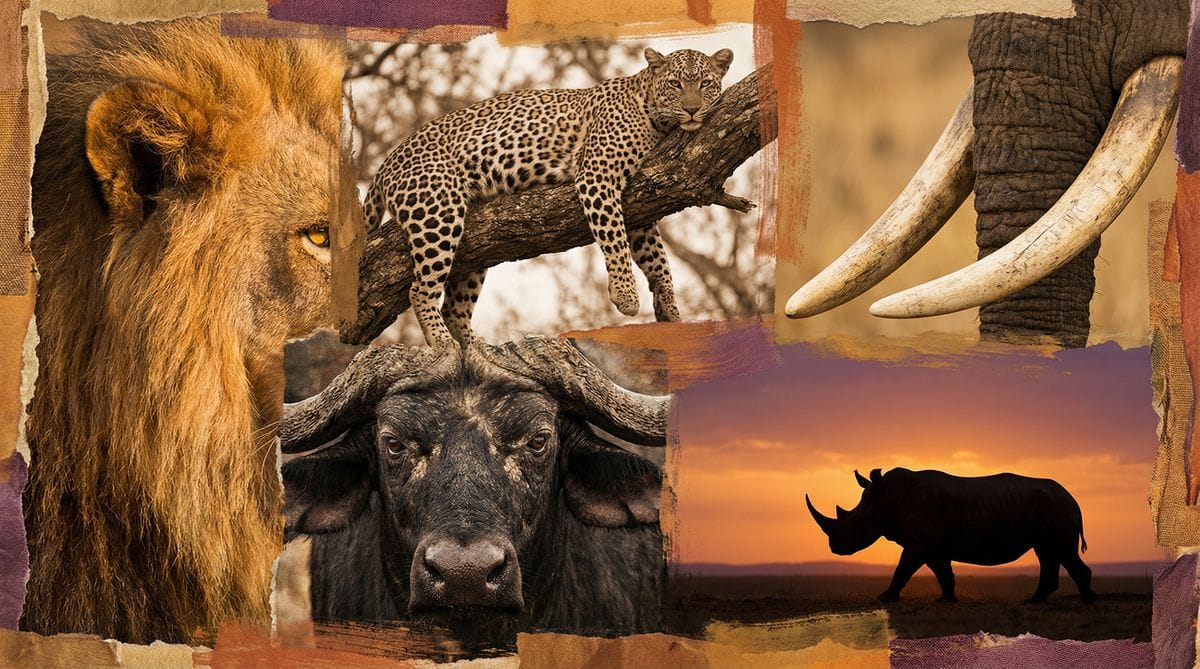
The term "Big Five" is synonymous with African safaris, but its origins are darker than many realize. It was coined by big-game hunters in the 19th and early 20th centuries, not to list the largest animals, but the most dangerous ones to hunt on foot. These were the animals that, if wounded, would turn and charge rather than flee. Today, the only shooting we do is with a camera, but the thrill of finding them remains.
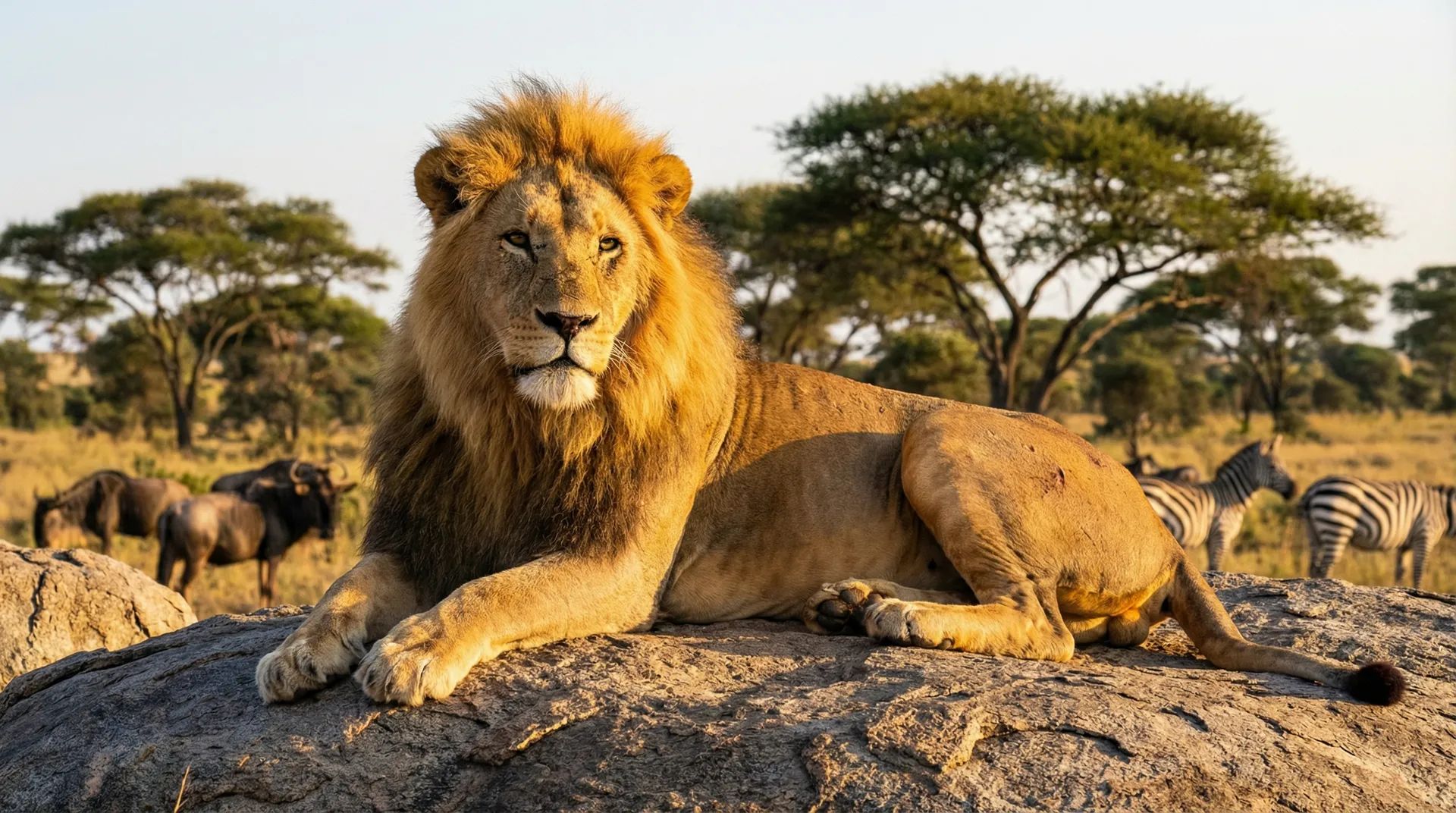
The undisputed apex predator. Lions are the most social of the big cats, living in prides that can number up to 30 individuals.
* Where to see them: The Maasai Mara (Kenya) and Serengeti (Tanzania) offer the best chances. Look for them lounging in the shade of acacia trees or on top of kopjes (rocky outcrops).
* Fun Fact: A lion's roar can be heard up to 5 miles (8 km) away.
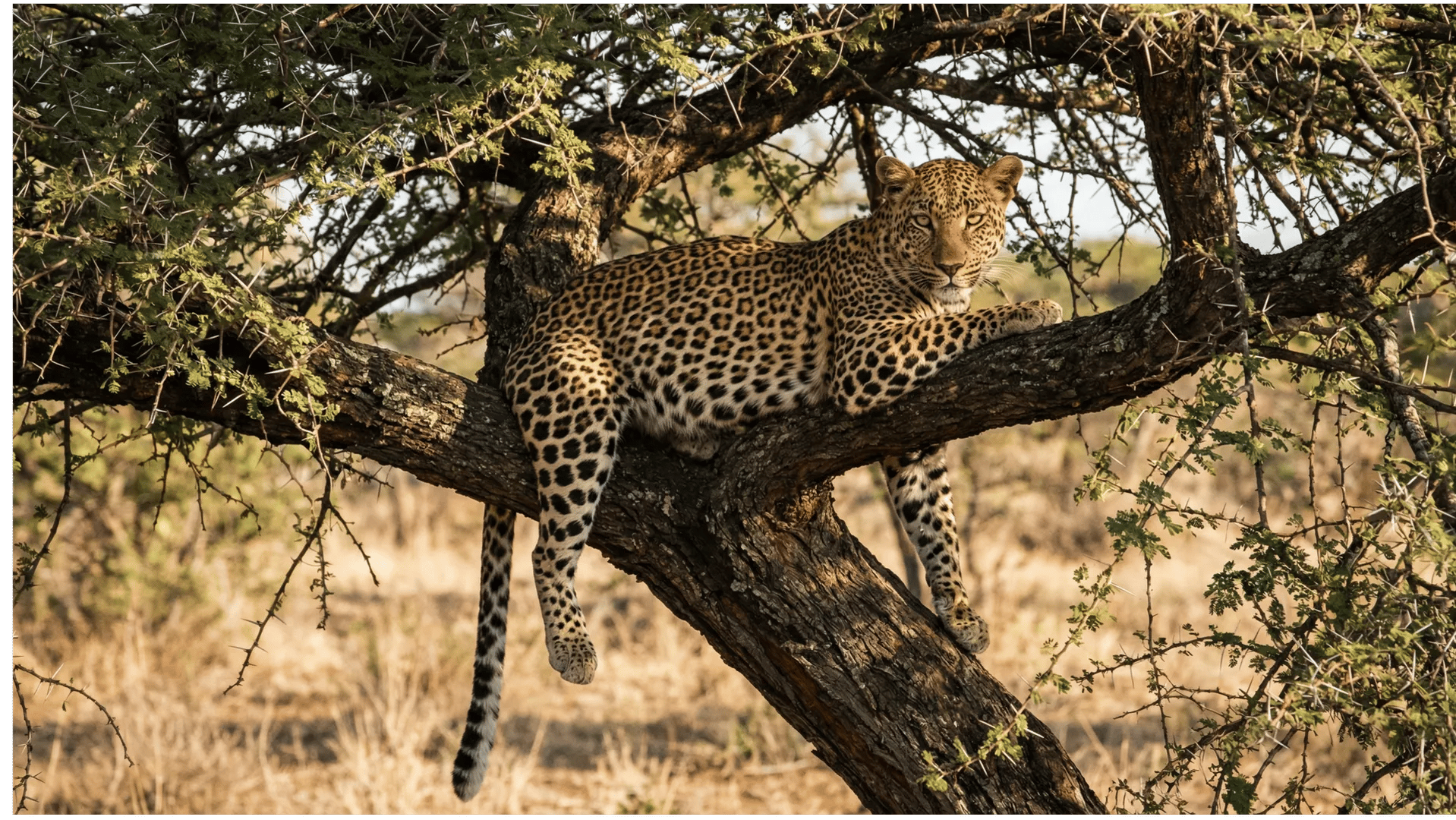
Elusive, solitary, and strictly nocturnal, the leopard is the master of stealth. They are pound-for-pound the strongest climber of the big cats, capable of hauling a kill twice their body weight up a tree to keep it safe from hyenas.
* Where to see them: The Seronera Valley in the Serengeti and the riverine forests of Samburu. Look up! They are often draped over a branch, tail twitching.
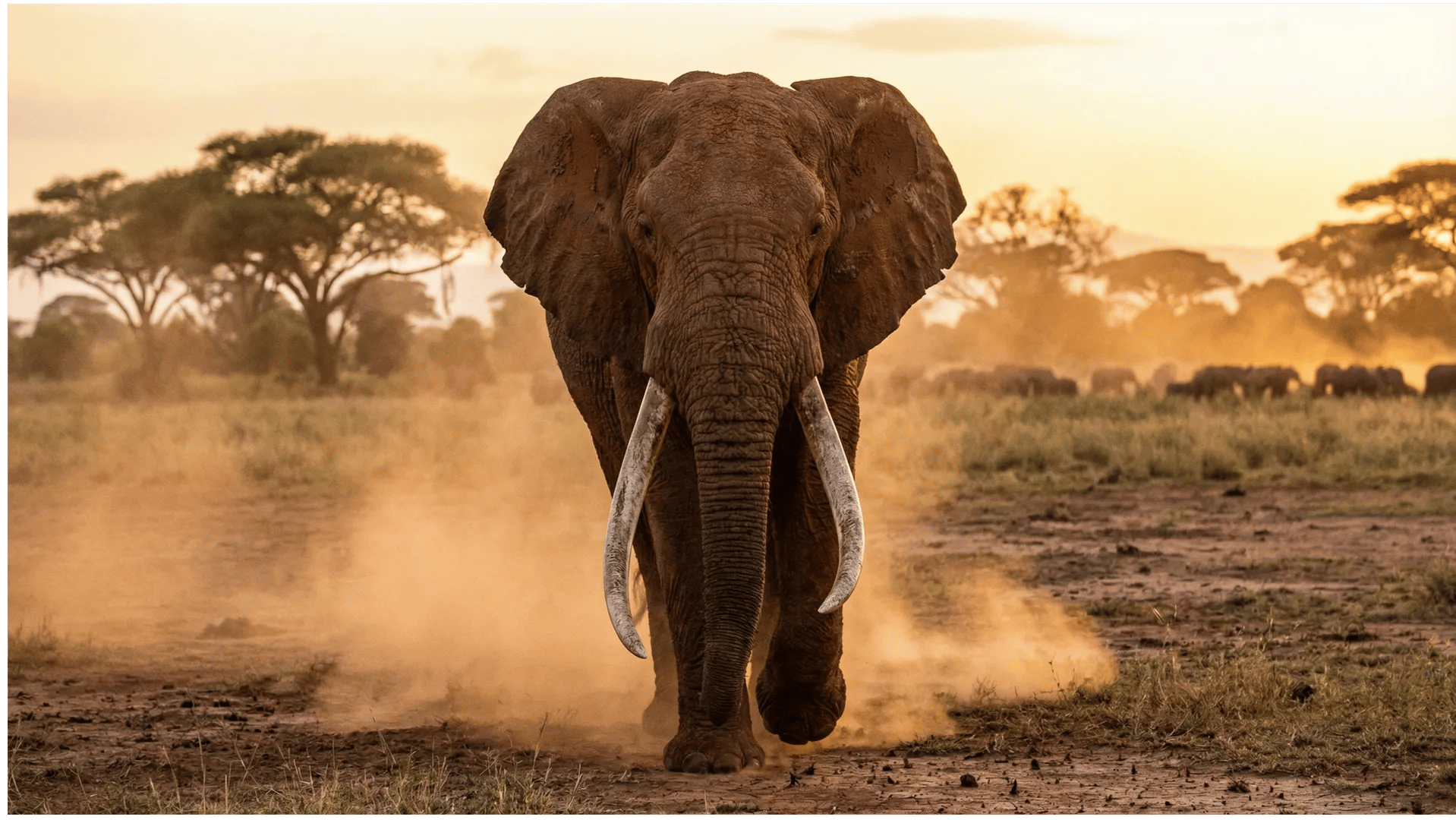
The African elephant is the world's largest land mammal. They are highly intelligent, emotional creatures with complex family structures led by a matriarch.
* Where to see them: Amboseli National Park (Kenya) is famous for its "tuskers" against the backdrop of Mt. Kilimanjaro. Tarangire (Tanzania) has the highest concentration of elephants in the dry season.
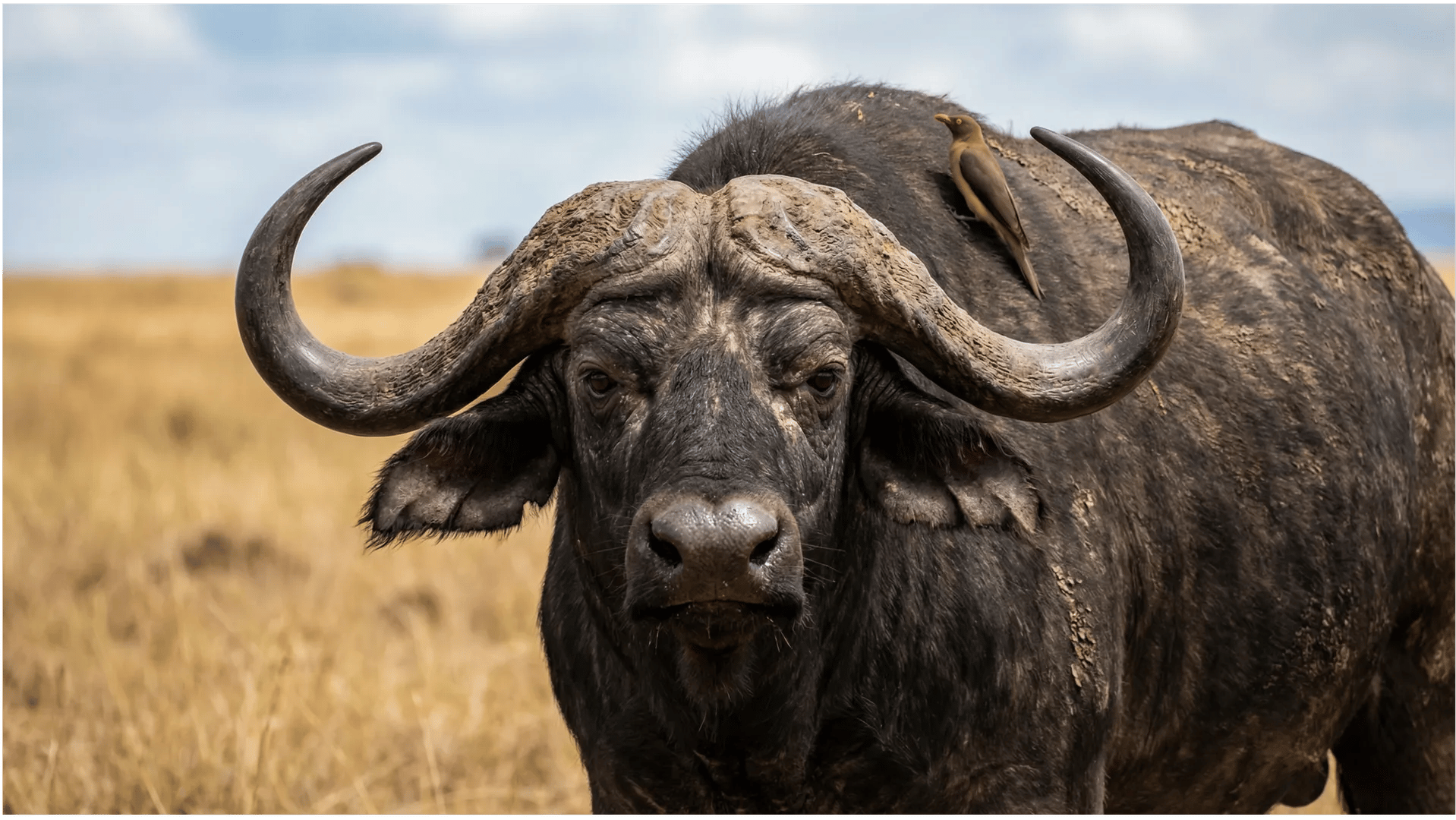
Often underestimated, the Cape Buffalo is considered by many guides to be the most dangerous of the Big Five. They have a fused base of horns called a "boss" which acts as a helmet, and they are known for their unpredictable temper.
* Where to see them: They are widespread across most parks. Large herds of hundreds can be seen in the Mara and Serengeti.
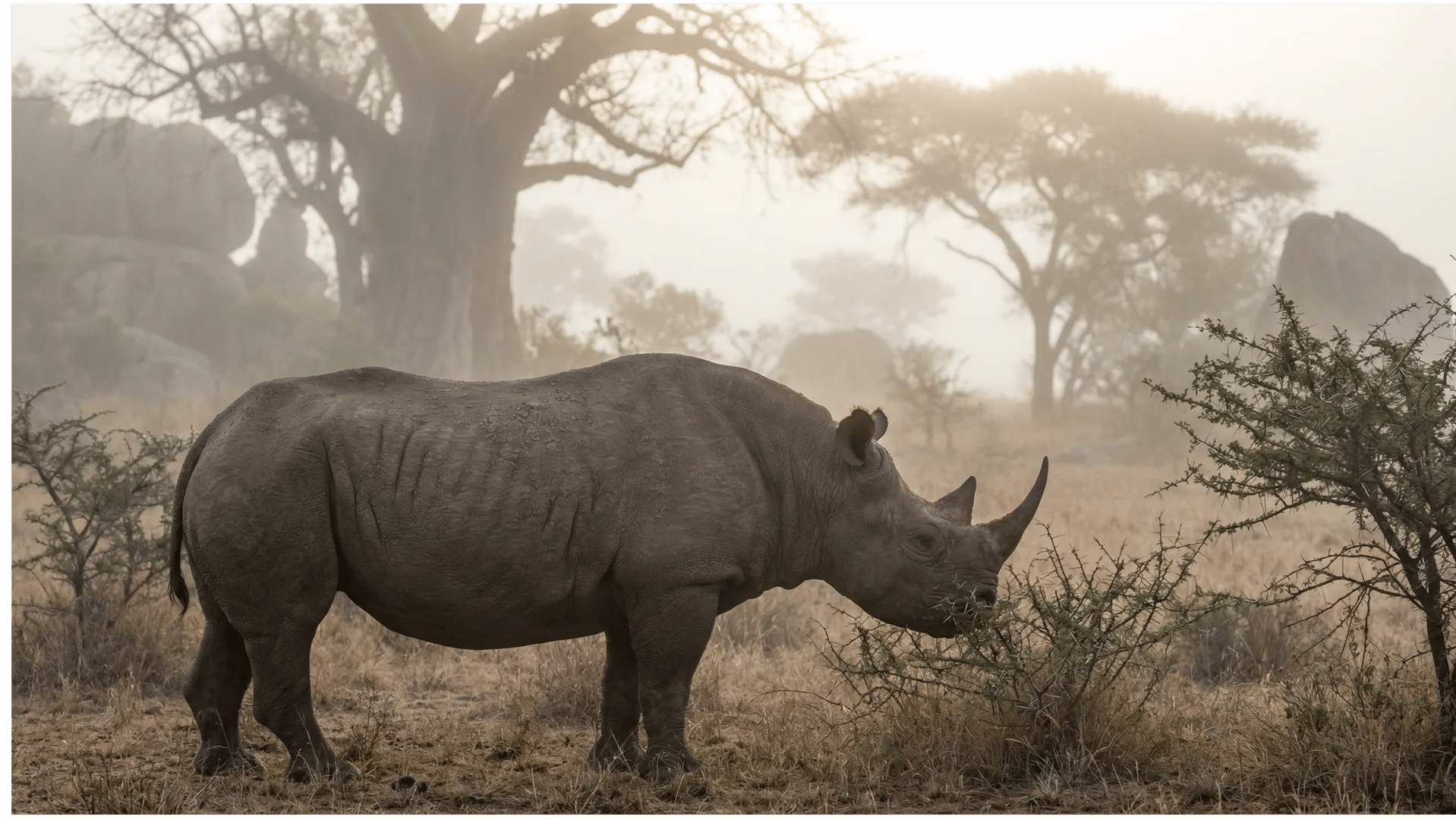
The rarest of the group. There are two species: the Black Rhino (critically endangered, browser, aggressive) and the White Rhino (near threatened, grazer, more social).
* Where to see them: The Ngorongoro Crater (Tanzania) is the best place to see Black Rhinos. Ol Pejeta Conservancy (Kenya) is a sanctuary for both species and offers the highest chance of a sighting.
Seeing all five in a single trip—or even a single day—is the "Holy Grail" of safari. But remember, the African bush is full of other wonders, from the towering giraffe to the tiny dung beetle. Don't get so focused on the list that you miss the magic in between.