
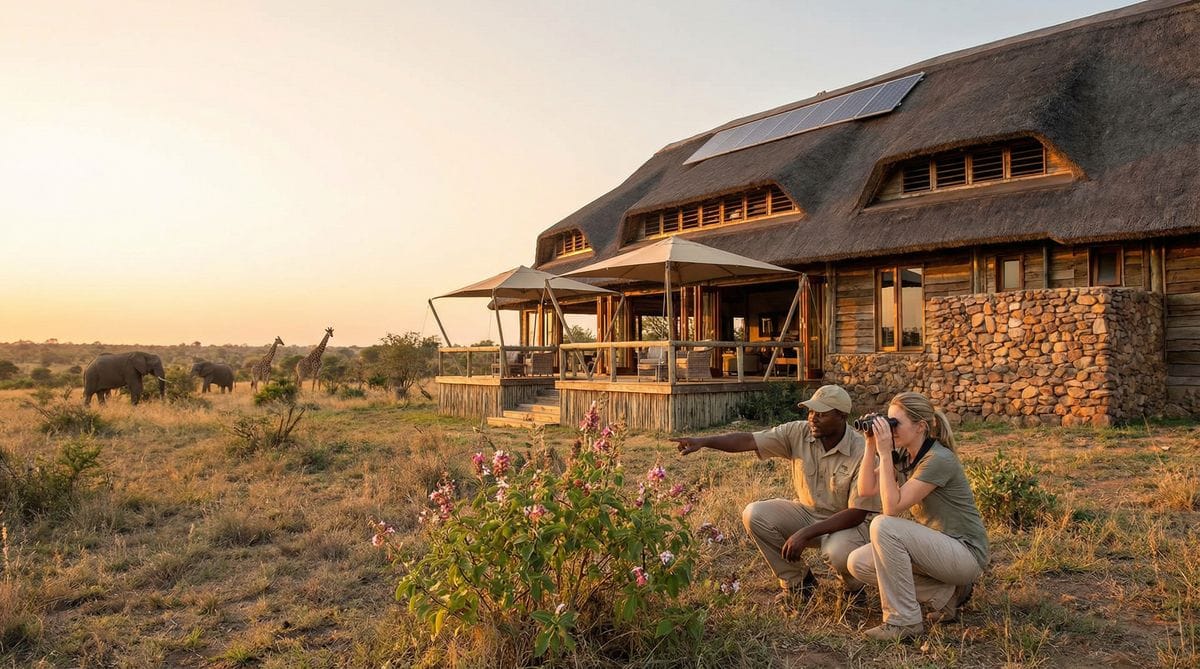
In the past, tourism was often about taking—taking photos, taking memories, taking up space. Today, a new paradigm has emerged: sustainable tourism. This is travel that gives back. In East Africa, the link between your luxury safari and the survival of the wilderness is direct and vital. When you choose the right operator and the right lodge, your presence becomes a force for good.
Countries like Botswana and Rwanda have championed this model, and Kenya and Tanzania are increasingly adopting it. The idea is simple: limit the number of tourists to minimize environmental stress, but charge a premium to ensure sufficient revenue for conservation. This prevents over-tourism, ensuring that the parks don't turn into zoos, while generating the funds needed to pay rangers, fight poaching, and maintain infrastructure.
One of the most exciting developments in East Africa is the rise of community conservancies. These are areas of land owned by local communities (often Maasai or Samburu) that are set aside for wildlife. Tourism partners lease this land to build low-density eco-lodges.
* Win for Wildlife: It expands the protected habitat beyond the borders of national parks, allowing animals to migrate freely.
* Win for People: The community receives guaranteed lease payments and job opportunities (guides, chefs, rangers), making wildlife more valuable to them alive than dead.
* Win for You: You get an exclusive experience away from the crowds, with the freedom to do walking safaris and night drives.
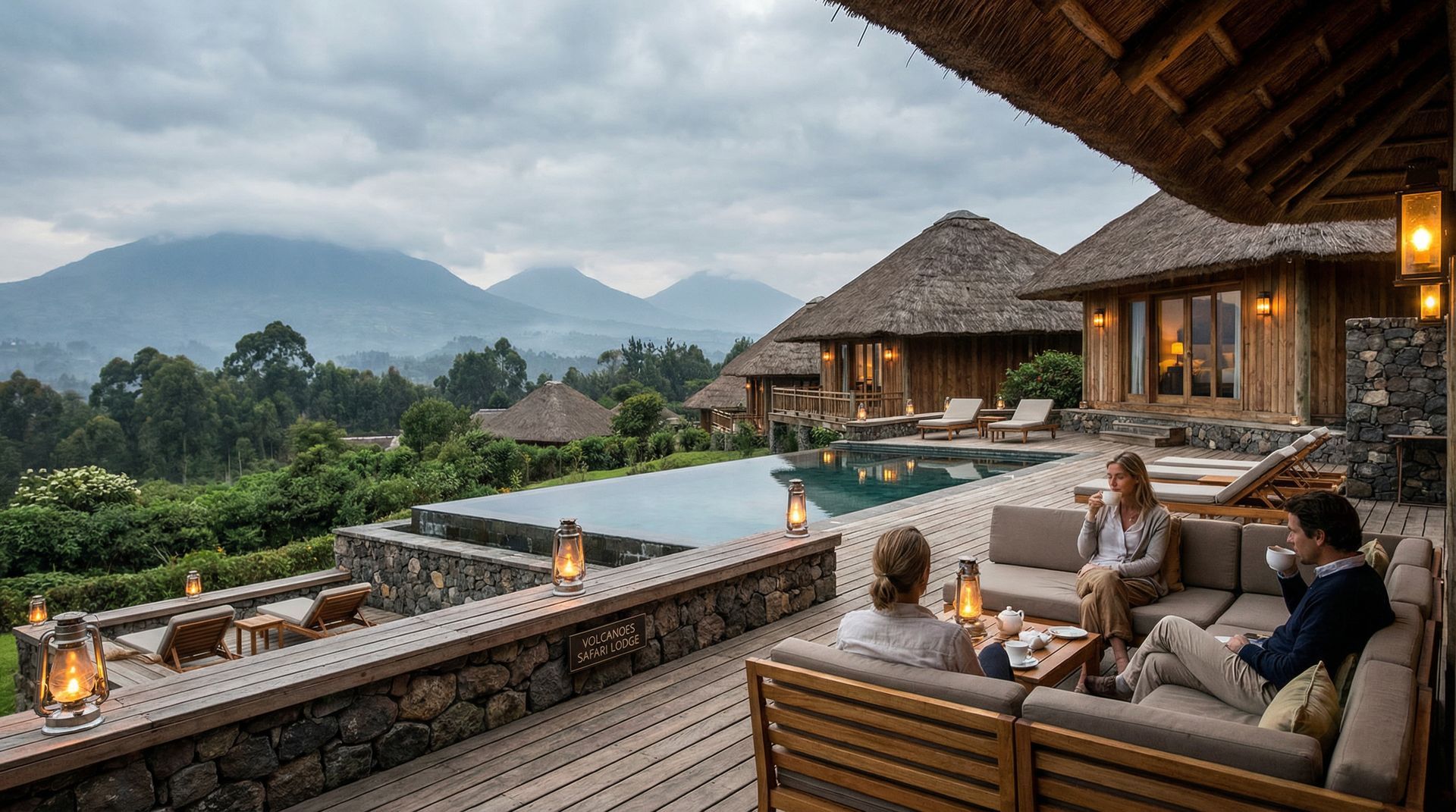
Sustainable luxury means treading lightly. Modern lodges are marvels of eco-engineering.
* Solar Power: Many camps run entirely on solar energy, providing hot showers and cold drinks without the noise and pollution of diesel generators.
* Water Management: In arid environments, every drop counts. Lodges use advanced filtration systems to recycle water and avoid plastic bottles by bottling their own water on-site in glass.
* Building Materials: Camps are often built using local, renewable materials like thatch and stone, designed to blend into the landscape and be removed without a trace if necessary.